Research and Application of Taurine as a Functional Additive in High-Quality Swine Production
23.07.2026
Источник: sponsored content

|

|

|
|
Sun Xiaowei1 s.xiaowei@cnhu.com |
Zhang Lei1,* zhanglei@cnhu.com |
Li Mengying1 l.mengying@cnhu.com |
|
1Researchers, Zhejiang NHU Co., Ltd., Animal Nutrition Application Service Center *Corresponding author |
||
1 Introduction
The global swine industry is essential for ensuring a stable supply of animal protein and safeguarding the food supply chain. Intensive, large-scale, high-density rearing has become the predominant production model worldwide. However, these intensive conditions render pigs highly susceptible to multiple stressors, including weaning stress, heat stress, and intestinal microbial dysbiosis. These stressors commonly lead to an increased incidence of diarrhea, growth retardation, immune dysfunction, and reduced meat quality, which collectively compromise production efficiency and impede the sustainable development of the swine industry.
Strict bans and restrictions on antibiotic use have been imposed globally in livestock production, eliminating the use of antibiotics for disease prevention and growth promotion. Consequently, developing safe, efficient, residue-free, and eco-friendly nutritional strategies has become an urgent priority. In this context, the exploration of natural functional nutrients to promote healthy swine production has attracted extensive attention in animal nutrition research.
Taurine (Tau) is a conditionally essential sulfur-containing amino acid in mammals, characterized by potent antioxidant, anti-inflammatory, and immunomodulatory activities. It participates in a wide range of physiological processes, including antioxidant defense, immune regulation, intestinal mucosal repair, osmoregulation, and nutrient metabolism. Consequently, taurine serves as a crucial bioactive compound for maintaining physiological homeostasis, normal growth, and reproductive performance in pigs. Unlike other livestock species, pigs have limited capacity for endogenous taurine synthesis, which is insufficient to meet their physiological demands across the production cycle. During critical periods such as weaning, high-density rearing, environmental stress, lactation, and reproduction in breeding sows, taurine consumption rises sharply, resulting in a pronounced supply–demand imbalance. Hence, exogenous dietary taurine supplementation is required to maintain normal physiological functions. Numerous studies worldwide have demonstrated that dietary taurine supplementation exerts positive effects on growth performance, intestinal health, meat quality, and reproductive performance in pigs. Given its efficacy across all production stages, taurine holds considerable promise for application in swine production.
The global market for feed-grade taurine is expanding rapidly, with China contributing over 70% of the global production capacity. Under the impetus of industrial policy regulations and upgrading consumer demand, taurine has become an indispensable functional additive in commercial feed formulations.
Despite growing evidence supporting the beneficial effects of taurine in pig production, existing findings remain fragmented and lack systematic synthesis. Systematic summaries regarding its specific advantages, application contexts, and underlying mechanisms are still lacking. Based on the current status of global swine production, this review systematically summarizes the core physiological functions of taurine and describes its application effects in weaned piglets, growing-finishing pigs, and breeding sows. This work aims to clarify the application value and advantages of taurine in swine production and provide a comprehensive theoretical reference for its widespread adoption and large-scale application in healthy swine farming.
2 Physiological Functions of Taurine
Taurine is a conditionally essential sulfur-containing free amino acid in pigs. Although it is not incorporated into proteins, it participates extensively in physiological regulation and plays a crucial role in maintaining homeostasis, enhancing stress resistance, and optimizing growth and reproductive performance. Given the insufficient endogenous synthesis of taurine in pigs, exogenous dietary supplementation is necessary, which lays the theoretical foundation for its application as a feed additive. Accumulated evidence indicates that taurine exerts biological functions mainly through four pathways: antioxidant activity and stress resistance, immune modulation and anti-inflammatory activity, intestinal barrier protection, and metabolic regulation.
2.1 Antioxidant Activity and Stress Resistance
Taurine acts as a major endogenous antioxidant in animals. It scavenges reactive oxygen species, attenuates lipid peroxidation, and preserves the structural integrity of cell membranes. In intensive swine production, common stressors such as weaning, high ambient temperature, and high stocking density trigger oxidative stress and suppress growth performance. Dietary taurine supplementation elevates the activities of antioxidant enzymes, reduces the accumulation of oxidative products, alleviates stress-induced damage, enhances stress tolerance, and maintains production performance in pigs.
2.2 Immune Modulation and Anti-inflammatory Activity
Taurine modulates the secretion of inflammatory cytokines, attenuates excessive inflammatory responses, and reduces inflammatory damage to tissues and organs. Exogenous taurine promotes the development of immune organs, increases immune organ indices and serum immunoglobulin levels, and enhances innate immunity in pigs. Under stress or pathogenic challenge, taurine maintains the homeostasis of the immune system, improves disease resistance and stress tolerance, and reduces economic losses caused by immune disorders.
2.3 Intestinal Barrier Protection and Enhancement of Nutrient Digestibility
A structurally intact and functionally sound intestinal barrier is a prerequisite for healthy growth in pigs. Taurine increases villus height and reduces crypt depth in the small intestine, thereby maintaining the structural integrity of the intestinal mucosa. It also enhances the activities of digestive enzymes in the gastrointestinal tract to facilitate nutrient absorption. In addition, taurine regulates intestinal microbiota composition by inhibiting the proliferation of harmful bacteria and promoting the growth of beneficial bacteria, thereby optimizing the intestinal environment. Collectively, these actions effectively alleviate intestinal injury and reduce the incidence of diarrhea in weaned piglets.
2.4 Metabolic Regulation and Meat Quality Improvement
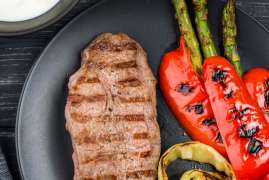
Taurine inhibits skeletal muscle anaerobic glycolysis by regulating the HIF-1α signaling pathway, thereby reducing lactic acid accumulation in muscle tissue. It enhances mitochondrial aerobic metabolism and regulates the distribution of muscle fiber types, ultimately improving protein deposition efficiency and lean percentage in pigs. Through its antioxidant properties, taurine decreases drip loss, delays meat deterioration, and extends the shelf life of fresh pork. Moreover, taurine corrects metabolic disorders and alleviates growth retardation, thereby improving overall growth performance and meat quality.
These physiological functions provide the theoretical basis for the application of taurine at different stages of swine production.
3 Application Effects of Taurine in Swine Production at Different Growth Stages
3.1 Application in Weaned Piglets
Weaning represents the most stressful period for piglets, during which their immature intestinal structure and immune system render them highly susceptible to weaning stress syndrome. This syndrome is characterized by reduced feed intake, growth retardation, frequent diarrhea, and impaired intestinal barrier function. Alleviating weaning stress, maintaining intestinal health, and improving survival rate and growth performance through nutritional intervention have become key technical priorities in modern swine production.
Chen et al. (2024) reported that dietary supplementation with 0.3% and 0.5% taurine effectively restored intestinal barrier function, enhanced antioxidant capacity, increased average daily gain, and lowered feed conversion ratio (FCR) and diarrhea incidence in weaned piglets. Taurine also alleviated intestinal damage induced by lipopolysaccharide (LPS) in weaned piglets (Tang et al., 2018). A trial conducted on 25-day-old weaned piglets showed that supplementation with 0.4% taurine increased average daily gain by 9.5% and decreased FCR by 9.3% within 28 days. Mechanistically, taurine activated the Nrf2/Keap1 antioxidant pathway and inhibited the TLR4/NF-κB inflammatory pathway. Collectively, these mechanisms enhanced antioxidant and immune defense in the intestine and liver, restored intestinal barrier integrity, reduced endotoxin translocation and hepatic injury, and ultimately improved growth performance by preserving gut–liver axis homeostasis. (Chen et al., 2025). Wang (2024) found that 0.4% dietary taurine improved kidney antioxidant status, suppressed inflammatory responses, and alleviated the adverse effects induced by Escherichia coli in weaned piglets.
The effects of taurine on weaned piglets exhibit a clear dose-dependent pattern. Studies demonstrated that supplementation with 1.5% or 3% taurine caused liver dysfunction, reduced antioxidant capacity, and increased diarrhea scores, which severely impaired intestinal health (Liu et al., 2014).
In summary, taurine exerts dose-dependent effects in diets for weaned piglets. Dietary addition of 0.3%–0.5% taurine effectively alleviates weaning stress and improves intestinal health and growth performance, with 0.4% being the optimal dosage. Supplementation exceeding 1.5% produces toxic effects, inhibits growth, and compromises overall health. Accordingly, the recommended dosage of taurine in diets for weaned piglets is 0.3%–0.5% under practical production conditions.
3.2 Application in Growing-Finishing Pigs
The growing-finishing stage is critical for determining the economic efficiency of swine production and final pork quality. The primary objectives at this stage are to achieve high growth rates and feed efficiency, while simultaneously meeting increasing demands for superior carcass and meat quality. With the growing consumer demand for high-quality pork, improving pork pH value, meat color, water-holding capacity, and intramuscular fat content through nutritional strategies, as well as alleviating oxidative stress in the late finishing period, has become a research focus in modern swine nutrition.
An et al. (2023) indicated that supplementation with 0.3% and 0.6% taurine in diets for growing-finishing pigs optimized pork pH value, meat color, and drip loss, improved mitochondrial function, and enhanced meat quality by regulating the expression of genes related to muscle fiber types. Li et al. (2023) found that 0.2% dietary taurine increased hepatic antioxidant capacity, final body weight, and average daily gain of growing-finishing pigs. Bu (2024) confirmed that supplementation with 0.05%–0.2% taurine significantly improved antioxidant capacity, alleviated oxidative stress, and improved growth performance. Luo and Zhou (2024) reported that 0.1%–0.2% dietary taurine increased pH value and redness of the longissimus dorsi muscle, decreased shear force and drip loss, and elevated intramuscular crude protein content, thereby improving overall meat quality.
Collectively, dietary supplementation with 0.05%–0.6% taurine exerts positive effects on growing-finishing pigs. Low dosage (0.05%–0.2%) mainly improves antioxidant capacity, alleviates oxidative stress, and promotes growth. Moderate to high dosage (0.3%–0.6%) is more effective in regulating meat quality and significantly optimizes key quality parameters including meat color, pH value, water-holding capacity, and tenderness. Considering both growth performance and meat quality, the recommended dosage of taurine for growing-finishing pigs is 0.2%–0.6%, which can be adjusted according to production goals and practical conditions.
3.3 Application in Breeding Sows
Sow reproductive performance is the key determinant of economic returns for large-scale swine farms. The reproductive cycle of sows includes oocyte development, fertilization, gestation, and lactation, with distinct physiological challenges at different stages. During follicular development, replacement gilts require high-quality oocytes and sufficient ovulation numbers. Gestating sows must maintain fetal viability and normal fetal development, while lactating sows depend on adequate milk yield and nutritional quality to support neonatal growth. Oxidative stress is a major factor limiting sow reproductive performance. Nutritional modulation to improve reproductive efficiency, birth weight, and weaning weight of piglets is the key approach to precision feeding of sows.
Taurine was found to promote porcine oocyte maturation and early embryonic development by attenuating oxidative stress and regulating energy metabolism (Chen et al., 2025). Oocyte quality is closely associated with metabolic homeostasis, and age-related metabolic disorders are the primary cause of oocyte aging. Taurine regulates oocyte metabolism, optimizes cellular energy status, and alleviates oxidative damage, thereby improving oocyte quality and reproductive performance of breeding pigs (Zhang et al., 2025). Zhang and Zhu (2023) found that supplementation with 0.1% taurine in diets for lactating sows increased the number of healthy piglets per litter and newborn piglet vitality, which was consistent with the findings of Chen et al. (2017). When the dosage was increased to 1%, milk yield and milk quality of lactating sows were markedly improved. Taurine increased the activities of superoxide dismutase (SOD), glutathione peroxidase, and catalase, as well as total antioxidant capacity, and decreased the malondialdehyde content in milk. Meanwhile, it optimized intestinal morphology and physiological function of suckling piglets, reduced the incidence of intestinal injury, increased piglet weaning weight, and ultimately improved overall reproductive performance of sows (Xu et al., 2019). Mechanistic studies revealed that taurine alleviated oxidative stress in porcine mammary epithelial cells by activating the Nrf2–MAPK signaling pathway, which represents an important mechanism for improved lactation performance (Xu et al., 2023). Chen et al. (2026) supplemented gestating sows with a compound functional additive containing taurine, and the results showed that taurine increased total litter size, number of healthy piglets, and litter birth weight, and enhanced systemic antioxidant capacity of sows.
In general, dietary supplementation with 0.1%–1% taurine exerts beneficial effects on sows. Low dosage (0.1%–0.2%) alleviates oxidative stress and improves litter performance and newborn piglet vitality. Moderate to high dosage (0.5%–1%) is more effective in improving lactation performance and promoting piglet growth. For full-cycle rearing of sows, the recommended dosage of taurine is 0.1%–1%, which can be adjusted according to physiological stage and production goals.
4 Conclusions
Taurine possesses antioxidant, anti-inflammatory, immunomodulatory, and intestinal barrier-protective properties. It effectively alleviates various stresses and improves overall production performance of piglets, growing-finishing pigs, and sows. As a safe, efficient, natural, and eco-friendly feed additive, taurine holds considerable promise for application in swine production. Further research is needed to refine field application protocols and establish standardized dosage guidelines, ultimately supporting the transition to sustainable, antibiotic-free swine production.
The optimal taurine dosage varies substantially across different swine growth stages. For weaned piglets, the recommended dosage is 0.3%–0.5%, with 0.4% as the optimum level, and the dosage should not exceed 1.5%. For growing-finishing pigs, 0.2%–0.6% taurine is recommended to balance growth performance and meat quality. For sows, the recommended dosage ranges from 0.1% to 1%, which can be flexibly adjusted based on production goals.
References
[1] Xu M, Chen X, Huang Z, Chen D, Li M, He J, Chen H, Zheng P, Yu J, Luo Y. Effects of dietary grape seed proanthocyanidin extract supplementation on meat quality, muscle fiber characteristics and antioxidant capacity of growing-finishing pigs[J]. Food Chemistry, 2022, 367: 130781.
[2] Fischer K. Drip loss in pork: influencing factors and relation to further meat quality traits[J]. Journal of Animal Breeding and Genetics, 2007, 124: 12-18.
[3] Jakaria M, Azam S, Haque ME, Jo SH, Uddin MS, Kim IS, Choi DK. Taurine and its analogs in neurological disorders: Focus on therapeutic potential and molecular mechanisms[J]. Brain Research Bulletin, 2019, 24: 101223.
[4] García-Ayuso D, Di Pierdomenico J, Martínez-Vacas A, Vidal-Sanz M, Picaud S, Villegas-Pérez MP. Taurine: a promising nutraceutic in the prevention of retinal degeneration[J]. Nutritional Research Reviews, 2024, 19(3): 606-610.
[5] Wang L, Jiang L, Chu Y, Feng F, Tang W, Chen C, Qiu Y, Hu Z, Diao H, Tang Z. Dietary taurine improves growth performance and intestine health via the GSH/GSSG antioxidant system and Nrf2/ARE signaling pathway in weaned piglets[J]. Animals, 2023, 12(10): 1852.
[6] Chen X, An W, Huang Z, Jia G, Zhao H. Taurine reduces glycolysis of pig skeletal muscle by inhibiting HIF‐1α signaling[J]. Journal of Cellular Physiology, 2025, 240(1): e31461.
[7] Chen J, Zhang X, Zhang Y, Jiang S, Han Y, Zhang L, Zhang Y, Du H. Taurine enhances growth performance by improving intestinal integrity and antioxidant capacity of weaned piglets[J]. Journal of Animal Science, 2024, 102: skae311.
[8] Tang Z, Liu J, Sun Z, Li J, Sun W, Mao J, Wang Y. Protective effects of taurine on growth performance and intestinal epithelial barrier function in weaned piglets challenged without or with lipopolysaccharide[J]. Animal Production Science, 2018, 58(11): 2011-2020.
[9] Chen C, Qi M, Zhang W, Chen F, Sun Z, Sun W, Tang W, Yang Z, Zhao X, Tang Z. Taurine alleviated paraquat-induced oxidative stress and gut-liver axis damage in weaned piglets by regulating the Nrf2/Keap1 and TLR4/NF-κB signaling pathways[J]. Journal of Animal Science and Biotechnology, 2025, 16(1): 117.
[10] Wang Z. Study on the protective effect and mechanism of taurine on renal injury in piglets induced by ETEC infection[D]. Shenyang: Shenyang Agricultural University, 2024.
[11] Liu Y, Mao X, Yu B, He J, Zheng P, Yu J, Luo J, Chen D. Excessive dietary taurine supplementation reduces growth performance, liver and intestinal health of weaned pigs[J]. Livestock Science, 2014, 168: 109-119.
[12] An W, Huang Z, Mao Z, Qiao T, Jia G, Zhao H, Liu G, Chen X. Dietary taurine supplementation improves the meat quality, muscle fiber type, and mitochondrial function of growing-finishing pigs[J]. Journal of Agricultural and Food Chemistry, 2023, 71(41): 15331-15340.
[13] Li YM, Men XM, Tao X, Zhou YX, Feng SL, Hua WD, Xu ZW. Effects of taurine on growth performance, meat quality, antioxidant function and muscle energy metabolism of growing-finishing pigs[J]. Chinese Journal of Animal Nutrition, 2023, 35(2): 803-812.
[14] Bu ZY. Effects of dietary taurine supplementation on antioxidant performance of growing-finishing pigs[J]. Shandong Journal of Animal Science and Veterinary Medicine, 2024, 45(8): 8-9.
[15] Luo YL, Zhou B. Effects of taurine on meat quality of growing-finishing pigs[J]. China Animal Health, 2024, 26(5): 76-77.
[16] Chen F, Wang H, Liu Y, Liu Q, Yang S, Ma Z, Yuan YG. Taurine promotes porcine oocyte maturation and embryonic development by reducing oxidative stress and enhancing energy metabolism[J]. Theriogenology, 2025, 117: 756.
[17] Zhang Z, Wang F, Zeng W, Cui Z, Gao Q, Liu B, Huang N, Sun X, Li N, Xiong B. Taurine-driven restoration of metabolic and redox balance in postovulatory aging porcine oocytes: A metabolomic perspective[J]. Free Radical Biology and Medicine, 2025, 235: 137-149.
[18] Zhang WH, Zhu QF. Effects of N-carbamoylglutamate or taurine on reproductive performance, serum antioxidant indices, immunoglobulin levels of sows and growth performance of their piglets[J]. Journal of Nanjing Agricultural University, 2023, 46(4): 764-771.
[19] Chen Z, Wang MJ, Lan JN, Xu GH, Wang CZ. Study on effects of taurine on lactation performance of sows in summer[J]. Guangxi Journal of Animal Husbandry and Veterinary Medicine, 2017, 33(5): 252-253.
[20] Xu M, Che L, Gao K, Wang L, Yang X, Wen X, Jiang Z, Wu D. Effects of dietary taurine supplementation to gilts during late gestation and lactation on offspring growth and oxidative stress[J]. Animals, 2019, 9(5): 220.
[21] Xu M, Che L, Gao K, Wang L, Yang X, Wen X, Li M, Jiang Z. Taurine alleviates oxidative stress in porcine mammary epithelial cells by stimulating the Nrf2‐MAPK signaling pathway[J]. Food Science and Nutrition, 2023, 11(4): 1736-1746.
[22] Chen YT, Ji YW, Gu F, Wen XL, Hou L, Gao KG, Wang L, Wu QW, Xiao H. Effects of compound functional bioactive agents on reproductive performance, physiological metabolism and immune function of sows under high temperature stress[J]. Chinese Journal of Animal Nutrition, 2026, 38(1): 236-251.
Sponsored content
The global swine industry is essential for ensuring a stable supply of animal protein and safeguarding the food supply chain. Intensive, large-scale, high-density rearing has become the predominant production model worldwide. However, these intensive conditions render pigs highly susceptible to multiple stressors, including weaning stress, heat stress, and intestinal microbial dysbiosis. These stressors commonly lead to an increased incidence of diarrhea, growth retardation, immune dysfunction, and reduced meat quality, which collectively compromise production efficiency and impede the sustainable development of the swine industry.
Strict bans and restrictions on antibiotic use have been imposed globally in livestock production, eliminating the use of antibiotics for disease prevention and growth promotion. Consequently, developing safe, efficient, residue-free, and eco-friendly nutritional strategies has become an urgent priority. In this context, the exploration of natural functional nutrients to promote healthy swine production has attracted extensive attention in animal nutrition research.
Taurine (Tau) is a conditionally essential sulfur-containing amino acid in mammals, characterized by potent antioxidant, anti-inflammatory, and immunomodulatory activities. It participates in a wide range of physiological processes, including antioxidant defense, immune regulation, intestinal mucosal repair, osmoregulation, and nutrient metabolism. Consequently, taurine serves as a crucial bioactive compound for maintaining physiological homeostasis, normal growth, and reproductive performance in pigs. Unlike other livestock species, pigs have limited capacity for endogenous taurine synthesis, which is insufficient to meet their physiological demands across the production cycle. During critical periods such as weaning, high-density rearing, environmental stress, lactation, and reproduction in breeding sows, taurine consumption rises sharply, resulting in a pronounced supply–demand imbalance. Hence, exogenous dietary taurine supplementation is required to maintain normal physiological functions. Numerous studies worldwide have demonstrated that dietary taurine supplementation exerts positive effects on growth performance, intestinal health, meat quality, and reproductive performance in pigs. Given its efficacy across all production stages, taurine holds considerable promise for application in swine production.
The global market for feed-grade taurine is expanding rapidly, with China contributing over 70% of the global production capacity. Under the impetus of industrial policy regulations and upgrading consumer demand, taurine has become an indispensable functional additive in commercial feed formulations.
Despite growing evidence supporting the beneficial effects of taurine in pig production, existing findings remain fragmented and lack systematic synthesis. Systematic summaries regarding its specific advantages, application contexts, and underlying mechanisms are still lacking. Based on the current status of global swine production, this review systematically summarizes the core physiological functions of taurine and describes its application effects in weaned piglets, growing-finishing pigs, and breeding sows. This work aims to clarify the application value and advantages of taurine in swine production and provide a comprehensive theoretical reference for its widespread adoption and large-scale application in healthy swine farming.
2 Physiological Functions of Taurine
Taurine is a conditionally essential sulfur-containing free amino acid in pigs. Although it is not incorporated into proteins, it participates extensively in physiological regulation and plays a crucial role in maintaining homeostasis, enhancing stress resistance, and optimizing growth and reproductive performance. Given the insufficient endogenous synthesis of taurine in pigs, exogenous dietary supplementation is necessary, which lays the theoretical foundation for its application as a feed additive. Accumulated evidence indicates that taurine exerts biological functions mainly through four pathways: antioxidant activity and stress resistance, immune modulation and anti-inflammatory activity, intestinal barrier protection, and metabolic regulation.
2.1 Antioxidant Activity and Stress Resistance
Taurine acts as a major endogenous antioxidant in animals. It scavenges reactive oxygen species, attenuates lipid peroxidation, and preserves the structural integrity of cell membranes. In intensive swine production, common stressors such as weaning, high ambient temperature, and high stocking density trigger oxidative stress and suppress growth performance. Dietary taurine supplementation elevates the activities of antioxidant enzymes, reduces the accumulation of oxidative products, alleviates stress-induced damage, enhances stress tolerance, and maintains production performance in pigs.
2.2 Immune Modulation and Anti-inflammatory Activity
Taurine modulates the secretion of inflammatory cytokines, attenuates excessive inflammatory responses, and reduces inflammatory damage to tissues and organs. Exogenous taurine promotes the development of immune organs, increases immune organ indices and serum immunoglobulin levels, and enhances innate immunity in pigs. Under stress or pathogenic challenge, taurine maintains the homeostasis of the immune system, improves disease resistance and stress tolerance, and reduces economic losses caused by immune disorders.
2.3 Intestinal Barrier Protection and Enhancement of Nutrient Digestibility
A structurally intact and functionally sound intestinal barrier is a prerequisite for healthy growth in pigs. Taurine increases villus height and reduces crypt depth in the small intestine, thereby maintaining the structural integrity of the intestinal mucosa. It also enhances the activities of digestive enzymes in the gastrointestinal tract to facilitate nutrient absorption. In addition, taurine regulates intestinal microbiota composition by inhibiting the proliferation of harmful bacteria and promoting the growth of beneficial bacteria, thereby optimizing the intestinal environment. Collectively, these actions effectively alleviate intestinal injury and reduce the incidence of diarrhea in weaned piglets.
2.4 Metabolic Regulation and Meat Quality Improvement
Taurine inhibits skeletal muscle anaerobic glycolysis by regulating the HIF-1α signaling pathway, thereby reducing lactic acid accumulation in muscle tissue. It enhances mitochondrial aerobic metabolism and regulates the distribution of muscle fiber types, ultimately improving protein deposition efficiency and lean percentage in pigs. Through its antioxidant properties, taurine decreases drip loss, delays meat deterioration, and extends the shelf life of fresh pork. Moreover, taurine corrects metabolic disorders and alleviates growth retardation, thereby improving overall growth performance and meat quality.
These physiological functions provide the theoretical basis for the application of taurine at different stages of swine production.
3 Application Effects of Taurine in Swine Production at Different Growth Stages
3.1 Application in Weaned Piglets
Weaning represents the most stressful period for piglets, during which their immature intestinal structure and immune system render them highly susceptible to weaning stress syndrome. This syndrome is characterized by reduced feed intake, growth retardation, frequent diarrhea, and impaired intestinal barrier function. Alleviating weaning stress, maintaining intestinal health, and improving survival rate and growth performance through nutritional intervention have become key technical priorities in modern swine production.
Chen et al. (2024) reported that dietary supplementation with 0.3% and 0.5% taurine effectively restored intestinal barrier function, enhanced antioxidant capacity, increased average daily gain, and lowered feed conversion ratio (FCR) and diarrhea incidence in weaned piglets. Taurine also alleviated intestinal damage induced by lipopolysaccharide (LPS) in weaned piglets (Tang et al., 2018). A trial conducted on 25-day-old weaned piglets showed that supplementation with 0.4% taurine increased average daily gain by 9.5% and decreased FCR by 9.3% within 28 days. Mechanistically, taurine activated the Nrf2/Keap1 antioxidant pathway and inhibited the TLR4/NF-κB inflammatory pathway. Collectively, these mechanisms enhanced antioxidant and immune defense in the intestine and liver, restored intestinal barrier integrity, reduced endotoxin translocation and hepatic injury, and ultimately improved growth performance by preserving gut–liver axis homeostasis. (Chen et al., 2025). Wang (2024) found that 0.4% dietary taurine improved kidney antioxidant status, suppressed inflammatory responses, and alleviated the adverse effects induced by Escherichia coli in weaned piglets.
The effects of taurine on weaned piglets exhibit a clear dose-dependent pattern. Studies demonstrated that supplementation with 1.5% or 3% taurine caused liver dysfunction, reduced antioxidant capacity, and increased diarrhea scores, which severely impaired intestinal health (Liu et al., 2014).
In summary, taurine exerts dose-dependent effects in diets for weaned piglets. Dietary addition of 0.3%–0.5% taurine effectively alleviates weaning stress and improves intestinal health and growth performance, with 0.4% being the optimal dosage. Supplementation exceeding 1.5% produces toxic effects, inhibits growth, and compromises overall health. Accordingly, the recommended dosage of taurine in diets for weaned piglets is 0.3%–0.5% under practical production conditions.
3.2 Application in Growing-Finishing Pigs
The growing-finishing stage is critical for determining the economic efficiency of swine production and final pork quality. The primary objectives at this stage are to achieve high growth rates and feed efficiency, while simultaneously meeting increasing demands for superior carcass and meat quality. With the growing consumer demand for high-quality pork, improving pork pH value, meat color, water-holding capacity, and intramuscular fat content through nutritional strategies, as well as alleviating oxidative stress in the late finishing period, has become a research focus in modern swine nutrition.
An et al. (2023) indicated that supplementation with 0.3% and 0.6% taurine in diets for growing-finishing pigs optimized pork pH value, meat color, and drip loss, improved mitochondrial function, and enhanced meat quality by regulating the expression of genes related to muscle fiber types. Li et al. (2023) found that 0.2% dietary taurine increased hepatic antioxidant capacity, final body weight, and average daily gain of growing-finishing pigs. Bu (2024) confirmed that supplementation with 0.05%–0.2% taurine significantly improved antioxidant capacity, alleviated oxidative stress, and improved growth performance. Luo and Zhou (2024) reported that 0.1%–0.2% dietary taurine increased pH value and redness of the longissimus dorsi muscle, decreased shear force and drip loss, and elevated intramuscular crude protein content, thereby improving overall meat quality.
Collectively, dietary supplementation with 0.05%–0.6% taurine exerts positive effects on growing-finishing pigs. Low dosage (0.05%–0.2%) mainly improves antioxidant capacity, alleviates oxidative stress, and promotes growth. Moderate to high dosage (0.3%–0.6%) is more effective in regulating meat quality and significantly optimizes key quality parameters including meat color, pH value, water-holding capacity, and tenderness. Considering both growth performance and meat quality, the recommended dosage of taurine for growing-finishing pigs is 0.2%–0.6%, which can be adjusted according to production goals and practical conditions.
3.3 Application in Breeding Sows
Sow reproductive performance is the key determinant of economic returns for large-scale swine farms. The reproductive cycle of sows includes oocyte development, fertilization, gestation, and lactation, with distinct physiological challenges at different stages. During follicular development, replacement gilts require high-quality oocytes and sufficient ovulation numbers. Gestating sows must maintain fetal viability and normal fetal development, while lactating sows depend on adequate milk yield and nutritional quality to support neonatal growth. Oxidative stress is a major factor limiting sow reproductive performance. Nutritional modulation to improve reproductive efficiency, birth weight, and weaning weight of piglets is the key approach to precision feeding of sows.
Taurine was found to promote porcine oocyte maturation and early embryonic development by attenuating oxidative stress and regulating energy metabolism (Chen et al., 2025). Oocyte quality is closely associated with metabolic homeostasis, and age-related metabolic disorders are the primary cause of oocyte aging. Taurine regulates oocyte metabolism, optimizes cellular energy status, and alleviates oxidative damage, thereby improving oocyte quality and reproductive performance of breeding pigs (Zhang et al., 2025). Zhang and Zhu (2023) found that supplementation with 0.1% taurine in diets for lactating sows increased the number of healthy piglets per litter and newborn piglet vitality, which was consistent with the findings of Chen et al. (2017). When the dosage was increased to 1%, milk yield and milk quality of lactating sows were markedly improved. Taurine increased the activities of superoxide dismutase (SOD), glutathione peroxidase, and catalase, as well as total antioxidant capacity, and decreased the malondialdehyde content in milk. Meanwhile, it optimized intestinal morphology and physiological function of suckling piglets, reduced the incidence of intestinal injury, increased piglet weaning weight, and ultimately improved overall reproductive performance of sows (Xu et al., 2019). Mechanistic studies revealed that taurine alleviated oxidative stress in porcine mammary epithelial cells by activating the Nrf2–MAPK signaling pathway, which represents an important mechanism for improved lactation performance (Xu et al., 2023). Chen et al. (2026) supplemented gestating sows with a compound functional additive containing taurine, and the results showed that taurine increased total litter size, number of healthy piglets, and litter birth weight, and enhanced systemic antioxidant capacity of sows.
In general, dietary supplementation with 0.1%–1% taurine exerts beneficial effects on sows. Low dosage (0.1%–0.2%) alleviates oxidative stress and improves litter performance and newborn piglet vitality. Moderate to high dosage (0.5%–1%) is more effective in improving lactation performance and promoting piglet growth. For full-cycle rearing of sows, the recommended dosage of taurine is 0.1%–1%, which can be adjusted according to physiological stage and production goals.
4 Conclusions
Taurine possesses antioxidant, anti-inflammatory, immunomodulatory, and intestinal barrier-protective properties. It effectively alleviates various stresses and improves overall production performance of piglets, growing-finishing pigs, and sows. As a safe, efficient, natural, and eco-friendly feed additive, taurine holds considerable promise for application in swine production. Further research is needed to refine field application protocols and establish standardized dosage guidelines, ultimately supporting the transition to sustainable, antibiotic-free swine production.
The optimal taurine dosage varies substantially across different swine growth stages. For weaned piglets, the recommended dosage is 0.3%–0.5%, with 0.4% as the optimum level, and the dosage should not exceed 1.5%. For growing-finishing pigs, 0.2%–0.6% taurine is recommended to balance growth performance and meat quality. For sows, the recommended dosage ranges from 0.1% to 1%, which can be flexibly adjusted based on production goals.
References
[1] Xu M, Chen X, Huang Z, Chen D, Li M, He J, Chen H, Zheng P, Yu J, Luo Y. Effects of dietary grape seed proanthocyanidin extract supplementation on meat quality, muscle fiber characteristics and antioxidant capacity of growing-finishing pigs[J]. Food Chemistry, 2022, 367: 130781.
[2] Fischer K. Drip loss in pork: influencing factors and relation to further meat quality traits[J]. Journal of Animal Breeding and Genetics, 2007, 124: 12-18.
[3] Jakaria M, Azam S, Haque ME, Jo SH, Uddin MS, Kim IS, Choi DK. Taurine and its analogs in neurological disorders: Focus on therapeutic potential and molecular mechanisms[J]. Brain Research Bulletin, 2019, 24: 101223.
[4] García-Ayuso D, Di Pierdomenico J, Martínez-Vacas A, Vidal-Sanz M, Picaud S, Villegas-Pérez MP. Taurine: a promising nutraceutic in the prevention of retinal degeneration[J]. Nutritional Research Reviews, 2024, 19(3): 606-610.
[5] Wang L, Jiang L, Chu Y, Feng F, Tang W, Chen C, Qiu Y, Hu Z, Diao H, Tang Z. Dietary taurine improves growth performance and intestine health via the GSH/GSSG antioxidant system and Nrf2/ARE signaling pathway in weaned piglets[J]. Animals, 2023, 12(10): 1852.
[6] Chen X, An W, Huang Z, Jia G, Zhao H. Taurine reduces glycolysis of pig skeletal muscle by inhibiting HIF‐1α signaling[J]. Journal of Cellular Physiology, 2025, 240(1): e31461.
[7] Chen J, Zhang X, Zhang Y, Jiang S, Han Y, Zhang L, Zhang Y, Du H. Taurine enhances growth performance by improving intestinal integrity and antioxidant capacity of weaned piglets[J]. Journal of Animal Science, 2024, 102: skae311.
[8] Tang Z, Liu J, Sun Z, Li J, Sun W, Mao J, Wang Y. Protective effects of taurine on growth performance and intestinal epithelial barrier function in weaned piglets challenged without or with lipopolysaccharide[J]. Animal Production Science, 2018, 58(11): 2011-2020.
[9] Chen C, Qi M, Zhang W, Chen F, Sun Z, Sun W, Tang W, Yang Z, Zhao X, Tang Z. Taurine alleviated paraquat-induced oxidative stress and gut-liver axis damage in weaned piglets by regulating the Nrf2/Keap1 and TLR4/NF-κB signaling pathways[J]. Journal of Animal Science and Biotechnology, 2025, 16(1): 117.
[10] Wang Z. Study on the protective effect and mechanism of taurine on renal injury in piglets induced by ETEC infection[D]. Shenyang: Shenyang Agricultural University, 2024.
[11] Liu Y, Mao X, Yu B, He J, Zheng P, Yu J, Luo J, Chen D. Excessive dietary taurine supplementation reduces growth performance, liver and intestinal health of weaned pigs[J]. Livestock Science, 2014, 168: 109-119.
[12] An W, Huang Z, Mao Z, Qiao T, Jia G, Zhao H, Liu G, Chen X. Dietary taurine supplementation improves the meat quality, muscle fiber type, and mitochondrial function of growing-finishing pigs[J]. Journal of Agricultural and Food Chemistry, 2023, 71(41): 15331-15340.
[13] Li YM, Men XM, Tao X, Zhou YX, Feng SL, Hua WD, Xu ZW. Effects of taurine on growth performance, meat quality, antioxidant function and muscle energy metabolism of growing-finishing pigs[J]. Chinese Journal of Animal Nutrition, 2023, 35(2): 803-812.
[14] Bu ZY. Effects of dietary taurine supplementation on antioxidant performance of growing-finishing pigs[J]. Shandong Journal of Animal Science and Veterinary Medicine, 2024, 45(8): 8-9.
[15] Luo YL, Zhou B. Effects of taurine on meat quality of growing-finishing pigs[J]. China Animal Health, 2024, 26(5): 76-77.
[16] Chen F, Wang H, Liu Y, Liu Q, Yang S, Ma Z, Yuan YG. Taurine promotes porcine oocyte maturation and embryonic development by reducing oxidative stress and enhancing energy metabolism[J]. Theriogenology, 2025, 117: 756.
[17] Zhang Z, Wang F, Zeng W, Cui Z, Gao Q, Liu B, Huang N, Sun X, Li N, Xiong B. Taurine-driven restoration of metabolic and redox balance in postovulatory aging porcine oocytes: A metabolomic perspective[J]. Free Radical Biology and Medicine, 2025, 235: 137-149.
[18] Zhang WH, Zhu QF. Effects of N-carbamoylglutamate or taurine on reproductive performance, serum antioxidant indices, immunoglobulin levels of sows and growth performance of their piglets[J]. Journal of Nanjing Agricultural University, 2023, 46(4): 764-771.
[19] Chen Z, Wang MJ, Lan JN, Xu GH, Wang CZ. Study on effects of taurine on lactation performance of sows in summer[J]. Guangxi Journal of Animal Husbandry and Veterinary Medicine, 2017, 33(5): 252-253.
[20] Xu M, Che L, Gao K, Wang L, Yang X, Wen X, Jiang Z, Wu D. Effects of dietary taurine supplementation to gilts during late gestation and lactation on offspring growth and oxidative stress[J]. Animals, 2019, 9(5): 220.
[21] Xu M, Che L, Gao K, Wang L, Yang X, Wen X, Li M, Jiang Z. Taurine alleviates oxidative stress in porcine mammary epithelial cells by stimulating the Nrf2‐MAPK signaling pathway[J]. Food Science and Nutrition, 2023, 11(4): 1736-1746.
[22] Chen YT, Ji YW, Gu F, Wen XL, Hou L, Gao KG, Wang L, Wu QW, Xiao H. Effects of compound functional bioactive agents on reproductive performance, physiological metabolism and immune function of sows under high temperature stress[J]. Chinese Journal of Animal Nutrition, 2026, 38(1): 236-251.
Sponsored content